Introduction
Fire protection systems are essential safety assets in residential buildings, commercial properties, industrial facilities, healthcare institutions, educational campuses, and public spaces. Their purpose is to detect fires quickly, alert occupants, suppress flames, and support safe evacuation. However, even the most advanced fire protection systems cannot provide reliable performance without regular maintenance. This is why Bảo trì hệ thống PCCC is a critical component of every comprehensive fire safety program.
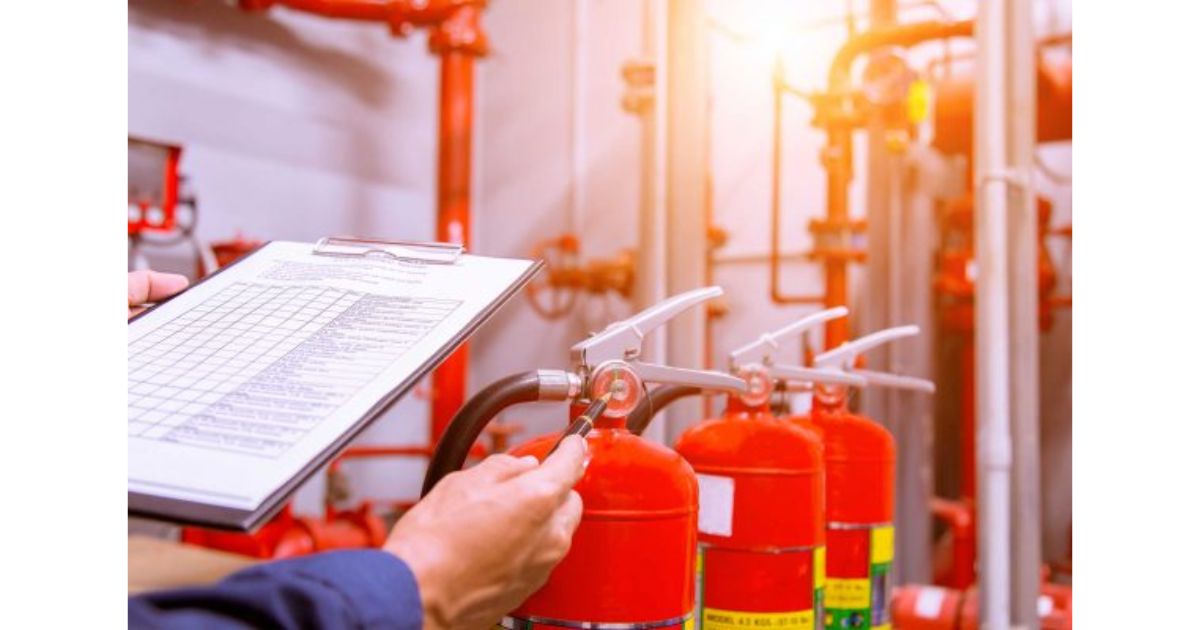
Bảo trì hệ thống PCCC involves the routine inspection, testing, cleaning, servicing, repair, calibration, and replacement of fire protection equipment. These activities ensure that every component continues to function efficiently throughout its service life. A properly maintained system responds faster, performs more reliably, reduces equipment failures, and significantly improves overall fire protection performance.
Organizations that invest in preventive maintenance not only improve emergency preparedness but also reduce long-term operating costs, extend equipment lifespan, and maintain compliance with fire safety regulations. This article explores how Bảo trì hệ thống PCCC enhances fire protection performance and why it should be an ongoing priority for every facility.
Understanding Fire Protection Performance
Fire protection performance refers to the ability of a fire protection system to operate correctly during an emergency.
An effective system should:
- Detect fires immediately
- Activate alarms without delay
- Suppress flames efficiently
- Support safe evacuation
- Provide reliable communication
- Assist emergency responders
- Minimize property damage
Every component must work together without failure to achieve these objectives.
The Importance of Bảo trì hệ thống PCCC
Fire protection equipment operates continuously throughout the year. Environmental conditions and normal aging gradually reduce equipment efficiency.
Common factors affecting performance include:
- Dust accumulation
- Moisture exposure
- Corrosion
- Electrical wear
- Mechanical deterioration
- Temperature fluctuations
- Vibration
- Accidental damage
Routine Bảo trì hệ thống PCCC helps restore equipment to optimal operating condition before these issues affect system performance.
Improving Fire Detection Speed
Early fire detection significantly reduces the impact of fire emergencies.
Smoke detectors and heat detectors provide the first warning that a fire has started.
Routine maintenance includes:
- Cleaning detector sensors
- Testing sensitivity
- Inspecting electrical wiring
- Functional testing
- Replacing aging detectors
Well-maintained detectors respond more quickly, allowing occupants additional time to evacuate safely.
Enhancing Fire Alarm Reliability
Fire alarm systems coordinate emergency response throughout the building.
Professional maintenance includes inspecting:
- Alarm control panels
- Manual call points
- Smoke detectors
- Heat detectors
- Sirens
- Visual warning devices
- Communication systems
- Backup batteries
Regular testing confirms that alarms activate immediately whenever dangerous conditions are detected.
Reliable alarms improve overall fire protection performance.
Optimizing Automatic Sprinkler Systems
Automatic sprinkler systems are designed to suppress fires before they spread.
Routine Bảo trì hệ thống PCCC includes inspecting:
- Sprinkler heads
- Water supply pipes
- Control valves
- Pressure gauges
- Flow switches
- Water storage tanks Bảo trì hệ thống PCCC
- Drain systems
Maintenance technicians also remove obstructions, repair leaks, and replace damaged sprinkler heads.
A properly maintained sprinkler system controls fires more effectively and limits property damage.
Maintaining Fire Pump Efficiency
Fire pumps provide the water pressure necessary for sprinkler systems and fire hydrants.
Routine maintenance includes:
- Automatic start testing
- Pressure verification
- Motor inspections
- Lubrication
- Fuel inspections for diesel pumps
- Electrical testing
- Cooling system inspections
Reliable fire pumps ensure suppression systems receive sufficient water during emergencies.
Improving Fire Extinguisher Readiness
Portable fire extinguishers allow trained personnel to control small fires before they become major incidents.
Routine servicing includes:
- Pressure inspections
- Hose examinations
- Seal verification
- Weight checks
- Physical condition assessments
- Accessibility inspections
- Recharging when necessary
Maintained extinguishers improve initial fire response and reduce fire spread.
Supporting Effective Emergency Evacuation
Fire protection performance depends not only on suppression systems but also on evacuation support.
Critical evacuation systems include:
- Emergency lighting
- Exit signs
- Public address systems
- Smoke control equipment
- Emergency communication systems
Routine maintenance ensures these systems remain operational during power failures and emergency conditions.
Proper evacuation support reduces injuries and improves emergency response.
Reducing Equipment Downtime
Unexpected equipment failures reduce fire protection performance.
Routine maintenance identifies problems such as:
- Weak batteries
- Corroded pipes
- Damaged wiring
- Leaking valves
- Dirty detectors
- Pump malfunctions
- Faulty control panels
Repairing these issues before failures occur improves overall system reliability.
Extending Equipment Lifespan
Fire protection equipment represents a valuable long-term investment.
Routine servicing extends equipment life through:
- Cleaning
- Calibration
- Lubrication
- Corrosion prevention
- Minor repairs
- Scheduled component replacement
Longer equipment lifespan reduces replacement costs while maintaining high performance.
Supporting Regulatory Compliance
Many fire safety regulations require organizations to maintain fire protection systems according to scheduled inspection programs.
Routine Bảo trì hệ thống PCCC provides documentation including:
- Inspection reports
- Maintenance records
- Testing results
- Repair documentation
- Equipment certifications
Accurate records demonstrate compliance during regulatory inspections.
Improving Workplace Safety
Reliable fire protection systems create safer working environments.
Employees benefit from:
- Early fire detection
- Reliable alarms
- Safe evacuation routes
- Functional emergency lighting
- Properly maintained extinguishers
A safe workplace contributes to greater employee confidence and operational stability.
Reducing Fire-Related Losses
Fire incidents can result in substantial financial losses.
Potential consequences include:
- Property damage
- Equipment replacement
- Inventory loss
- Production downtime
- Lost revenue
- Customer disruption
- Insurance claims
Well-maintained fire protection systems reduce the severity of fire incidents and help organizations recover more quickly.
Supporting Business Continuity
Business continuity depends on minimizing operational disruptions.
Routine maintenance helps organizations:
- Prevent equipment failures
- Reduce emergency repairs
- Maintain production
- Protect valuable assets
- Resume operations more quickly after incidents
Reliable fire protection contributes directly to long-term business resilience.
Strengthening Emergency Preparedness
Maintenance works alongside other emergency preparedness activities.
Organizations should integrate Bảo trì hệ thống PCCC with:
- Fire drills
- Emergency response planning
- Employee safety training
- Hazard assessments
- Building inspections
- Incident reviews
This integrated approach improves overall emergency readiness.
Common Challenges Affecting Fire Protection Performance
Several factors can reduce equipment performance if not properly managed.
Aging Equipment
Older systems require more frequent maintenance and component replacement.
Environmental Conditions
Dust, humidity, chemicals, and vibration accelerate equipment deterioration.
Delayed Maintenance
Postponing inspections increases the likelihood of equipment failure.
Poor Documentation
Incomplete maintenance records make it difficult to monitor long-term system performance.
Recognizing these challenges allows organizations to improve maintenance planning.
Best Practices for Maximizing Fire Protection Performance
Organizations should follow several proven maintenance strategies.
Establish Preventive Maintenance Programs
Perform inspections according to structured schedules rather than waiting for failures.
Hire Qualified Technicians
Experienced professionals conduct more thorough inspections and accurate repairs.
Test Equipment Regularly
Functional testing verifies that systems perform correctly under emergency conditions.
Replace Aging Components
Upgrade outdated equipment before reliability declines.
Train Employees
Staff should recognize visible equipment problems and report them promptly.
Maintain Accurate Documentation
Comprehensive records support continuous improvement and regulatory compliance.
Future Technologies Improving Fire Protection Performance
Modern technology continues transforming fire protection maintenance.
Emerging innovations include:
- Smart fire alarm systems
- Remote monitoring
- Predictive maintenance software
- Wireless sensors
- Artificial intelligence diagnostics
- Cloud-based maintenance records
- Automated inspection scheduling
These technologies improve equipment reliability while reducing maintenance costs.
Conclusion
Bảo trì hệ thống PCCC is one of the most effective ways to improve fire protection performance in any building or facility. Through regular inspection, testing, servicing, cleaning, repair, and preventive maintenance, organizations ensure that fire alarms, smoke detectors, sprinkler systems, fire pumps, fire extinguishers, emergency lighting, and communication systems remain fully operational.
Improved fire protection performance enhances emergency preparedness, reduces equipment failures, protects valuable assets, supports workplace safety, and ensures compliance with fire safety regulations. By making Bảo trì hệ thống PCCC a continuous priority, organizations create safer environments, strengthen business continuity, and ensure that their fire protection systems are always prepared to perform effectively when every second matters.